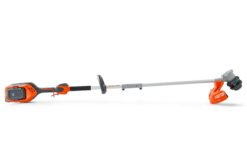
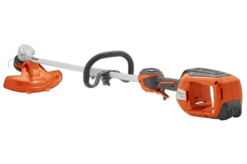
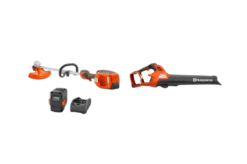
There's a real difference between a trimmer that's paired well to the job and one that's just close enough. Too light and you're fighting through heavy grass and overgrowth; too heavy and your arm is done before the yard is. Shaft style, engine or battery size, cutting width, and head type all play into how comfortable and efficient a trimmer is over the course of a full day's work. Getting that match right means less fatigue and cleaner results.
A Better String Trimmer Selection
We carry Echo and Husqvarna string trimmers, as well as models from other trusted names in the business; brands that hold up in the field, whether you're a homeowner or running a landscaping crew. For those who prefer to keep the gas can in the garage, we also carry battery-powered string trimmers in multiple voltage options from brands built for serious outdoor work. Whatever your setup looks like, there's something here that fits.
Common features and options include:
Curved shaft models for lighter residential trimming and easy maneuverability
Straight shaft models for better reach and commercial use
Gas-powered options for extended run time and heavy vegetation
Battery-powered options for quieter, lower-maintenance operation
Multi-attachment power head systems that expand beyond trimming
Detachable shaft designs compatible with multiple tool heads
Combo kits that pair a trimmer and blower in a single purchase
Commercial-grade models built for daily professional use
Bump-feed and fixed-line head options for different cutting preferences
Anti-vibration features for longer, more comfortable use
Why Folks Count on Safford for String Trimmers and More
We carry the brands that hold up in the field. Husqvarna and Echo string trimmers have earned their reputations among homeowners and professional landscapers alike, and we stand behind what we sell. When you're deciding between gas and battery, or sorting out which shaft style makes sense for your property, those aren't always easy calls to make from a product page alone. Our team knows this equipment, and we're glad to walk you through the options based on what you're trimming, how often, and what your budget looks like.
Find the Right String Trimmer at Safford Equipment
Don't leave your landscaping job half-done; invest in a quality string trimmer from Safford Equipment. Give us a call at (877) 872-2417, send us a message, or stop by the store. We'll help you find the right fit and get you out the door with the right trimmer for your property.
Shop All Lawn Care Products
FAQs: String Trimmers
Below, we've provided answers to some of the most common questions we get about string trimmers.
What's the difference between a curved shaft and a straight shaft string trimmer?
Curved shaft trimmers are lighter and more maneuverable, which makes them a natural fit for smaller residential yards. Straight shaft trimmers give you better reach into tighter spots and are the standard choice for commercial landscaping work. They're also more comfortable to use if you're taller, since the ergonomics line up better for a more upright stance.
Are battery-powered string trimmers as good as gas?
For most residential users, battery-powered string trimmers have closed the gap considerably, and in some cases, they're genuinely preferable. They start instantly, run quieter, and require less maintenance. Gas models still hold the edge for very heavy vegetation and extended commercial use, where you can't stop to recharge, but if you're maintaining a typical yard, a quality battery trimmer is up to the task.
What's a multi-attachment or PAS-style trimmer, and should I consider one?
Some trimmers are built around a power head that accepts multiple tool attachments, such as a trimmer, edger, cultivator, pruner, and more. If you're looking to consolidate tools without buying a separate machine for each task, this type of system is a smart way to do it. It's especially useful for homeowners or small crews who need flexibility without a garage full of dedicated equipment.
How often should I replace my trimmer line?
There's no fixed schedule. It depends on how much you use the trimmer and what you're cutting. A good rule of thumb: if you find yourself tapping the bump head frequently and not getting enough line, or if cuts are ragged and uneven, it's time to reload. Keeping a spare spool on hand means you're never stopping mid-job to deal with it.